
"Brazilian Santos coffee raw beans"
600 article(s) found

Origin and History of Brazilian Santos Coffee Santos Coffee brewing method has special flavor
Professional coffee knowledge exchange more coffee bean information Please follow the coffee workshop (Wechat official account cafe_style) Brazil Santos Coffee, named after the port of export-Santos (Santos), accounts for about 1 beat 3 of the world's total coffee output. Brazilian coffee is of uniform quality and is an indispensable bean for blending mixed coffee or Mamba or Mamba coffee. Brazilian Santos coffee, such as very rhyming

Coffee type Bourbon Santos Coffee mild taste bud test
Speaking of which, Bourbon Santos is not as bold and expressive as Brazilians, it is mild, sour and lively, and has a refreshing and harmonious flavor, it is one of the most popular coffee in the world. Among the Brazilian coffee, only Sandoz coffee is the most valued by the world. Although people all over the world love coffee, no other country combines coffee with daily life like Brazil.

Bourbon coffee has several flavor descriptions.
The bourbon in Brazil's Bourbon Hills comes from the Bourbon Indian Arabica coffee tree. Bourbon Island, now Reunion Island, was once the home of Arabica coffee, and Arabica coffee trees grown on the island have been introduced to all parts of the world, and the Brazilian Bourbon Sandos are their descendants. Santos is from Puerto Santos, southeast Brazil, on the Atlantic Ocean.

Description of taste and flavor of Brazilian coffee A brief introduction to the producing areas of varieties by the method of baking degree treatment
Brazil has many large farms that operate endless coffee plantations. They use machines to harvest and dry them. They are very efficient in automation. They treat coffee as a general agricultural material, abandoning flavor and ignoring it completely. As a result, many select coffee companies simply do not sell Brazilian beans to avoid
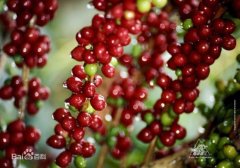
The advantages and disadvantages of growing coffee in Brazil are suitable for coffee-growing countries in Central and South America.
There are many large farms in Brazil, which run endless coffee plantations. They use machines to harvest and dry them. They are so efficient in automation that they regard coffee as a general agricultural material and completely abandon the flavor and flavor. As a result, many select coffee companies simply do not sell Brazilian beans so as not to demean themselves. In select coffee shops, Santos in Brazil still appears occasionally.
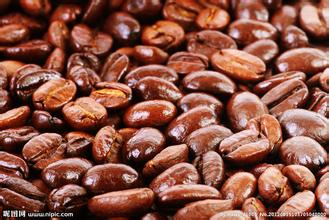
Introduction to flavor description and taste treatment of sun-dried yellow bourbon coffee beans in South Minas, Brazil
Flavor description of tanned Yellow bourbon Coffee beans in South Minas Brazil although coffee is diverse, Brazilian coffee is suitable for the taste of the public. For example, coffee produced in the northern coastal areas has a typical iodine taste, reminiscent of the sea after drinking. This coffee is exported to North America, the Middle East and Eastern Europe. There is also a kind of coffee that is interesting and worth pursuing that has been washed.

How about Shirado Coffee? Brazilian Sheraton Coffee characteristics the flavor of Brazilian Syrador coffee
Professional coffee knowledge exchange more coffee bean information please pay attention to the coffee workshop (Wechat official account cafe_style) Central and South America is the world's largest coffee producing area, the amount of output here obviously affects the global price of raw coffee, among which Brazilian coffee is the largest producing country in Central and South America and the largest coffee production country. Brazilian coffee can account for up to 30% of global production.

Introduction to the origin of taste grinding scale of coffee bean varieties in Huangbourne Manor, Queen's Manor, Brazil
Although coffee is diverse, Brazilian coffee is suitable for the taste of the public. For example, coffee produced in the northern coastal areas has a typical iodine taste, reminiscent of the sea after drinking. This coffee is exported to North America, the Middle East and Eastern Europe. Another kind of coffee that is interesting and worth looking for is washed Bahia coffee. This kind of coffee is not easy to find, because after the United States

The mystery of the variety of Brazilian coffee beans is Brazilian coffee beans a small seed?
Professional coffee knowledge exchange more coffee bean information Please pay attention to Coffee Workshop (Wechat official account cafe_style) Coffee originated in Ethiopia, the great navigation era was brought to the world by the colonists, and gradually become the most popular drink in the world. With Skyscanner, let's take a look at the main producing areas of coffee beans and the types of individual coffee. Coffee brings about all over the world.

A brief introduction to the taste of half-sun grinding scale varieties of yellow bourbon coffee beans in Brazil's Queen's Manor.
There are many large farms in Brazil, which run endless coffee plantations. They use machines to harvest and dry them. They are so efficient in automation that they regard coffee as a general agricultural material and completely abandon the flavor and flavor. As a result, many select coffee companies simply do not sell Brazilian beans so as not to demean themselves. In select coffee shops, Santos in Brazil still appears occasionally.

Brazilian sun-baked yellow bourbon flavor and taste introduction
Professional barista exchanges, please pay attention to coffee workshop (Weixin Official Accounts cafe_style) Brazil is figuratively compared to the giants and monarchs of the coffee world There are about 3.97 billion coffee trees, and small farmers now grow 75 percent of Brazil's coffee. Brazil has twice or even three times as many people engaged in coffee production as Colombia, and Colombia is second in the world

Description of Brazilian Coffee Flavor introduction of varieties of Grinding Calibration by treatment method in Manor production area
Brazilian Coffee Flavor description Taste Flavor Regional processing Grinding Calibration varieties have proved that Brazil also has the ability to produce gourmet coffee and small batches of coffee, local boutique coffee can not only be provided by small-scale coffee farmers, the main coffee producing areas in Brazil are Sulde Minas South Minas, Matas de Minas Minas Southeast Mountain Forest region, Cerrado Syracuse,

Half-sun introduction to the varieties of grinding scale of yellow bourbon coffee beans in Queen's Manor of Brazil
Based on the monotonous climate of Brazil, Brazilian research units have developed a half-sun method to shorten the processing time. After removing the pulp, the coffee fruit will be exposed to the pectin-coated pods for one to three days, and then machine-dried to a moisture content of 12%, which can be put into a storage container. The Brazilian half-sun method greatly shortens the work time (the traditional sun method takes two to three weeks), and also reduces coffee bean dyeing.

Sweet and bitter Brazilian sirado coffee beans Flavor Taste Aroma Description Introduction
Brazil has many large farms, operating endless coffee plantations, they use machines to harvest, and use machines to dry, automated efficiency is very high, as if coffee as a general agricultural material, completely abandoned flavor and disregard. As a result, many specialty coffee companies simply do not sell Brazilian beans, lest they demean themselves. Brazil's Santos occasionally appears in select coffee shops

Introduction to the Flavor and Taste characteristics of Brazilian Coffee
Brazilian coffee was introduced from French Guiana in 1729. It is true that intensive farming, changing treatment methods and improving the technical content of planting can improve the quality of coffee to some extent, but in any case, the natural conditions of Brazil cannot be compared with those of some regions that produce the world's top coffee. Because although Brazil has better soil conditions and humid climate, it is not high above sea level.

A brief introduction to the market price of balanced and supple Brazilian boutique coffee beans
There are many large farms in Brazil, which run endless coffee plantations. They use machines to harvest and dry them. They are so efficient in automation that they regard coffee as a general agricultural material and completely abandon the flavor and flavor. As a result, many select coffee companies simply do not sell Brazilian beans so as not to demean themselves. In select coffee shops, Santos in Brazil still appears occasionally.

Brazilian Sanders Coffee and American Coffee, Brazilian Arabica Coffee and Robusta Coffee
Communication of professional baristas Please follow the coffee workshop (Wechat official account cafe_style) Brazil Coffee mentions the origin of coffee, the first thing that comes to mind is Brazil in South America, because it is the largest coffee producer in the world. There is a wide variety of Brazilian coffee, the vast majority of which are unwashed and sun-dried, classified according to the name of the state of origin and the port of transport. Brazil has 2.

Introduction to the processing methods of highly aromatic Brazilian coffee with the characteristics of grindness and taste
Brazil is located in southeastern South America, spanning 35 to 74 degrees west longitude and 5 degrees north to 35 degrees south latitude. It is bordered by the South Atlantic Ocean to the east and any country in South America to the north, west and south (except Chile). It is bordered by French Guiana, Suriname, Guyana, Venezuela and Colombia to the north, Peru and Bolivia to the west, and Paraguay, Argentina and Uruguay to the south. Coastline

Brazil Hilado Coffee Bean Cup score Measurement Flavor description characteristics Origin Information
Professional barista communication please pay attention to coffee workshop (Wechat official account cafe_style) Coffee beans: Brazil Cerrado Natural 2 Screen 18 roasting apparatus: Hottop roasting date: 2008/12/14PM16:00 roasting degree: City+ tasting Cup Test: 2008/12/14PM22:00 brewing utensils: Flying Eagle Grinding 2.5th Hario DWP-3 flannel hand brewing temperature:

Flavor description of Brazilian South Minas Coffee
Flavor description of Brazilian South Minas Coffee the taste of this coffee tree in the first three or four years, the beans are small and curved, and the flavor is so good that they become Bourbon Santos. After that, the beans became bigger, flat in shape, no longer bent, and became flat bean Santos, and the flavor was not as good as before. Brazilian coffee can be found everywhere in Taiwan, but it is mostly flat.